


 FileData
 Tag
Tag
The FileData section defines all the parameters in the legacy file; the process used for reading and writing these parameters will then be defined in the FileStructure section (Section 2.3).
The FileData section is declared using the FileData element. The FileData element has no attributes.
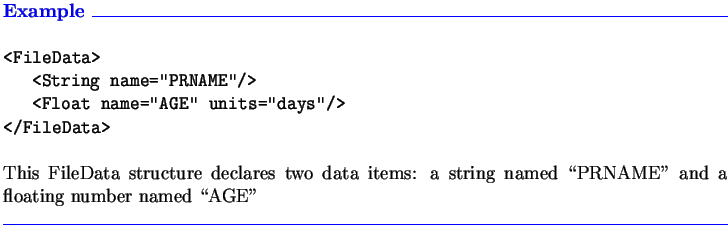
The FileData section must contain one or more String, Integer, Float, or
Array elements in any order. The following attributes are common to each
of these elements:
| Attribute Name | Description | Required |
|---|---|---|
| name | Name of the parameter. This name is used as an identifier so other parts of the document can reference this parameter; therefore, it must be unique | yes |
| description | Description and/or documentation of this parameter. Note that this will be treated as markup, which means that HTML entities will have to be used to represent reserved characters such as <, >, etc. | no |
| units | Units of this parameter | no |
| group | Defines which parameters group this parameter belongs to. Might be used by the processor to display parameters hierarchically | no |